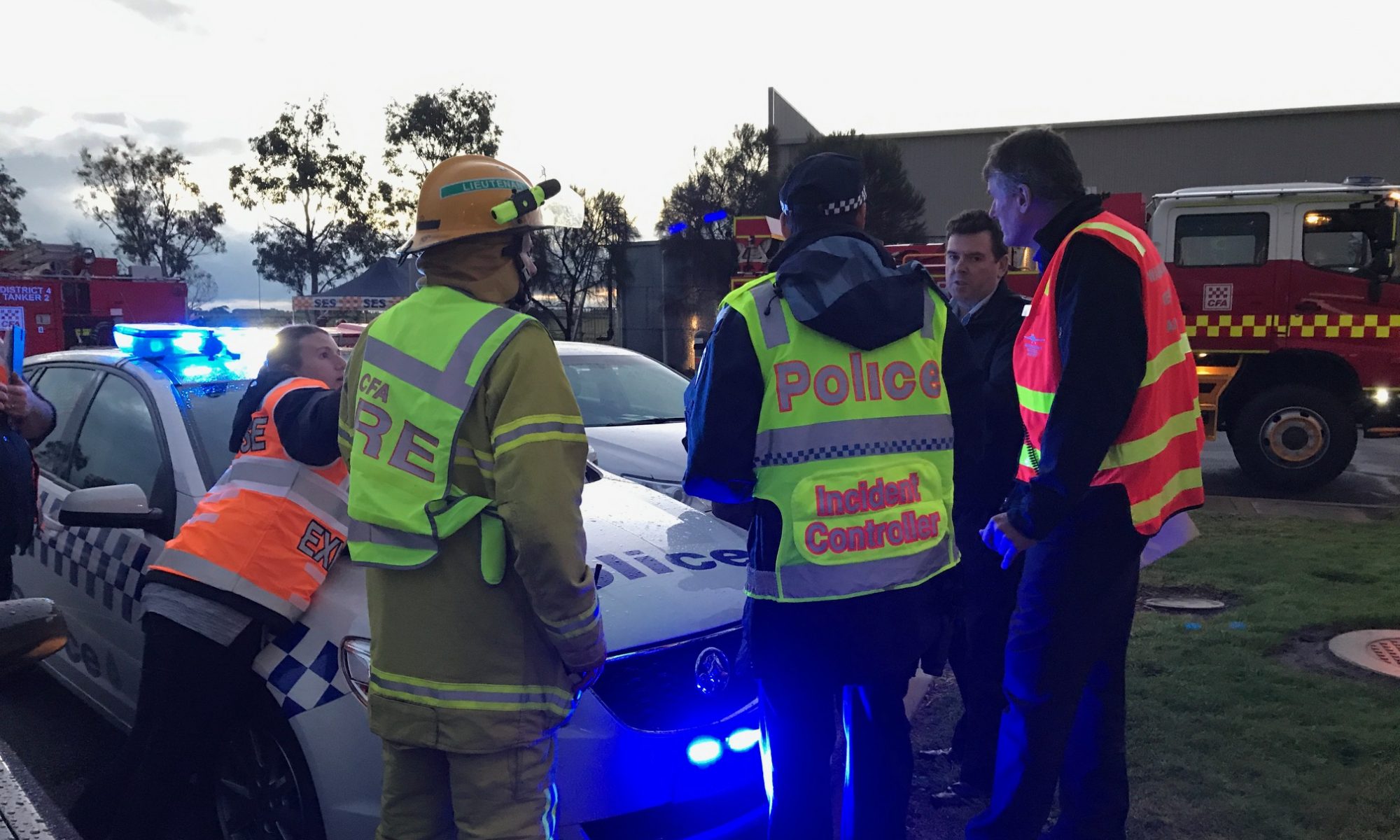
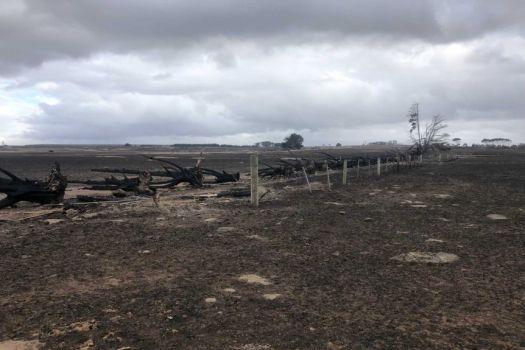
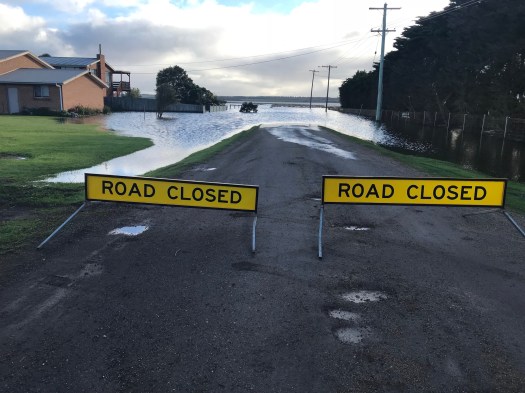
Secondary Impact Assessments (SIA) is the assessment of the impact of the emergency on the natural, built, social and economic environments and determines the level of assistance needed by affected communities. Knowing how to effectively and safely undertake SIA within the state emergency management planning framework supports better outcomes for your staff and the community.
This training is conducted by Mat and Sue who have comprehensive first hand experience on the front line and have led teams through a variety of major emergencies. Their knowledge and experience is comprehensively unique where they pride themselves on having successfully performed all the roles they teach.
Who Should Attend?
- EM Team Leaders
- Secondary Impact Assessors
- Environmental Health Officers
- Agricultural Officers
- Field Officers
- Vets
- Utility providers & Authorities
- Arborists
- Excavator operators
Topics
- Purpose and stages of Impact Assessment
- Authority
- Activation and coordination
- Roles and responsibilities of an SIA Team
- Emergency management structure
- Agencies roles and responsibilities
- Importance of a coordinated approach using the Australasian Inter-Service Incident Management System (AIIMS)
- Communication & active listening techniques
- Communicating with the affected community
- Information sources, data recording and management
- Briefing Teams prior to deployment using the SMEACS briefing technique
- Situational awareness, decision making and dynamic risk assessments
- Ensuring the safety of the team whilst in the field
- Conducting After Action Reviews
- Looking after yourself and your colleagues
Outcomes
You will have the knowledge and skills to:
- Understand SIA responsibilities
- Demonstrate how to record information using log books
- Learn how to deliver an effective briefing using the SMEACS briefing technique
- Understand the emergency management structure
- Understand how to effectively communicate with affected communities
- Learn how to make safe decisions by undertaking dynamic risk assessments
- Be confident to conduct After Action Reviews
- Participate in practical exercises during the training to demonstrate newly learnt skills
Delivery method
This training is delivered face to face and uses reality-based training, simulations, practical scenarios, case studies and problem-based learning where lived experiences are shared to enhance participants learning experience. During our training we share real life experiences, combined with best practice research, to ensure participants are provided with current information, strategies and ideas.
Duration
This course is 6 hours.
Course outline
Click here to view the course outline.

 The Six C's