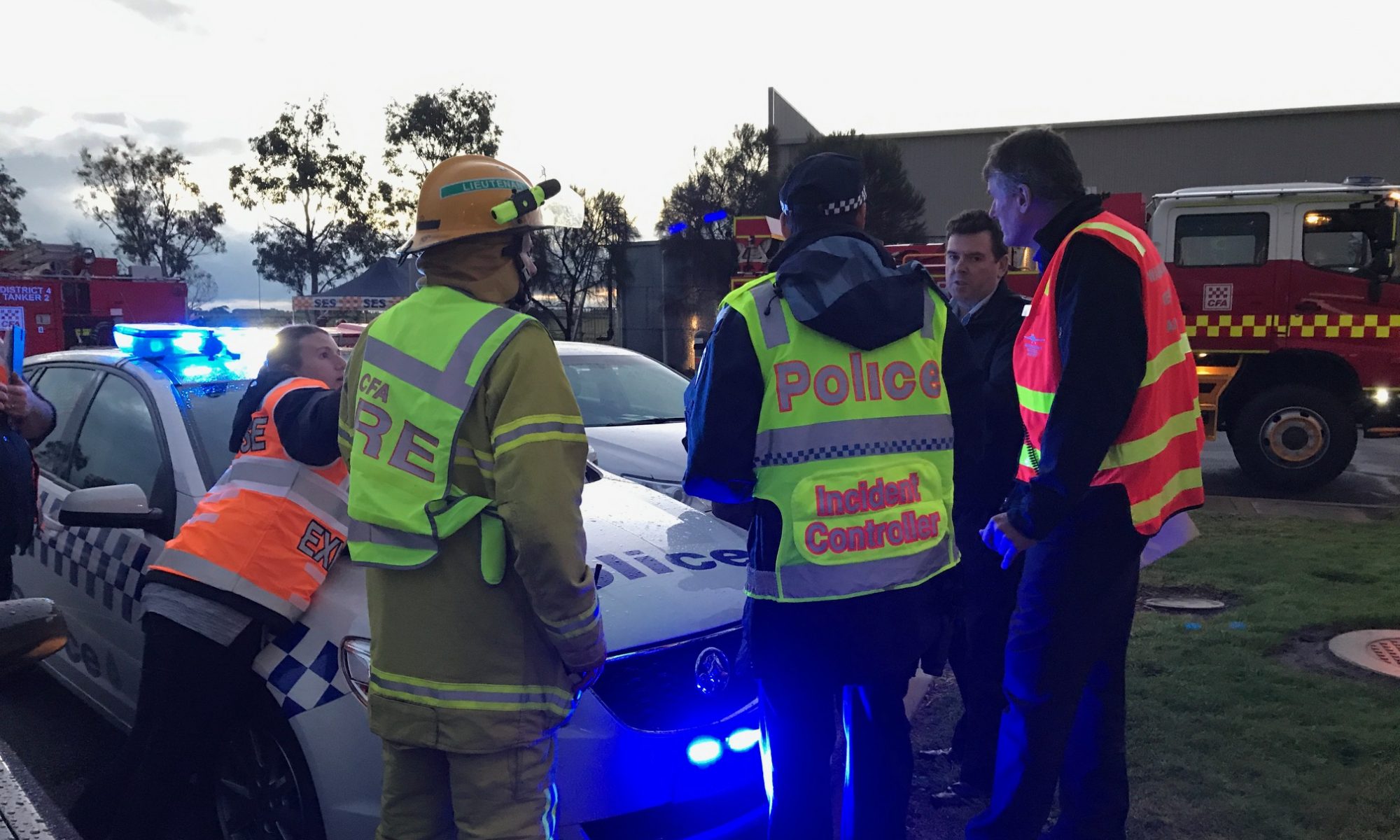
The Six C’s Resilient Community program empowers communities by building capability and capacity, that strengthens community resilience to disasters.
The Six C’s Resilient Community Program is made up of a series of unique information sessions or workshops designed as a result of our extensive research and first hand experiences of working with communities before, during and after disasters with sessions facilitated by award winning disaster recovery practitioners.
Mat and Sue have over 40 years experience working on the ground with communities before, during and after disasters and are leaders in developing community-led recovery initiatives. Mat was awarded a National Emergency Medal and Sue a Letter of Commendation following their work with communities after Black Saturday in 2009. In 2018 they received an Australian Resilient Award and an Excellence in Emergency Communication Award from EMPA for their successful recovery strategy “Vantastic” following the South West fires and a National Emergency Medal following the 2019/2020 bushfires.
Information sessions:
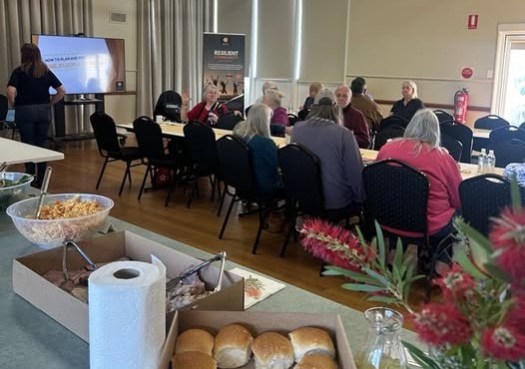
How to prepare for flood, fire, storm and heat
The Disaster Preparedness Information sessions are an all hazards approach that focuses on individual and family preparedness by building capacity and capability to strengthen resilience to disasters.
Workshops:
Community Emergency Management Planning
Our award winning Community Emergency Management Planning (CEMP) Program empowers communities to better prepare for, respond to, and recover from emergencies. By involving local residents, each plan is tailored to the unique needs, strengths, and risks of the community, ensuring practical and effective strategies. This collaborative approach builds resilience, strengthens connections, and fosters a shared sense of responsibility.
In just one day, communities have a complete, ready-to-use Community Emergency Management Plan designed to create stronger and resilient communities before, during and after disasters.
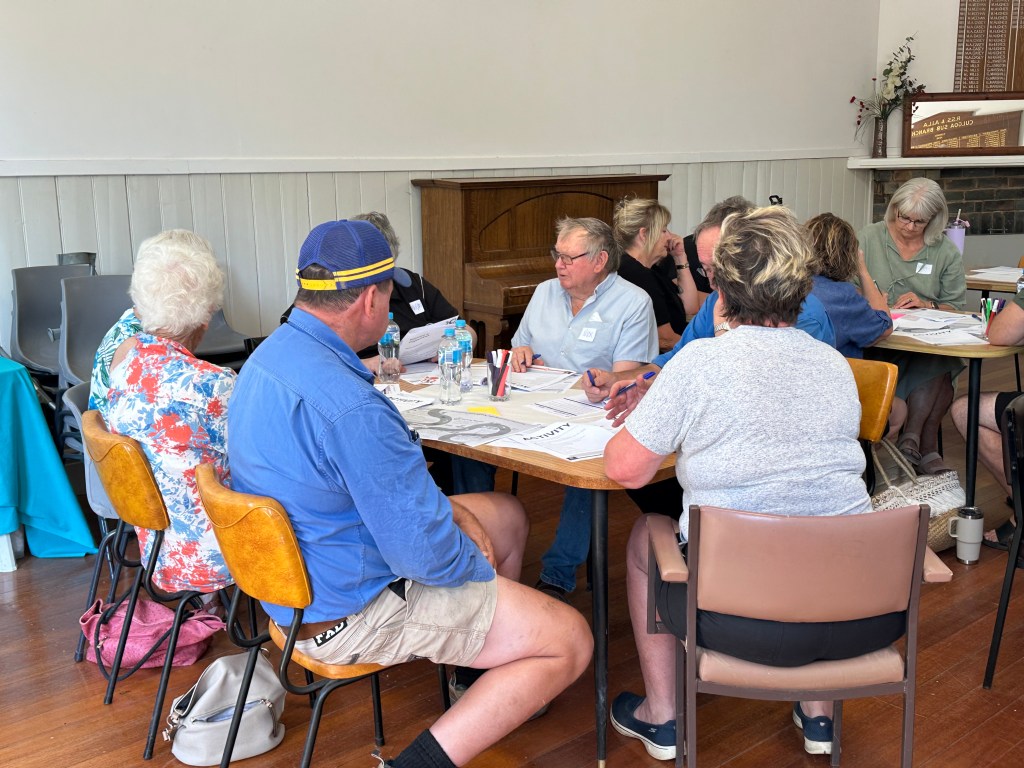
Disaster Planning for Individuals and Families
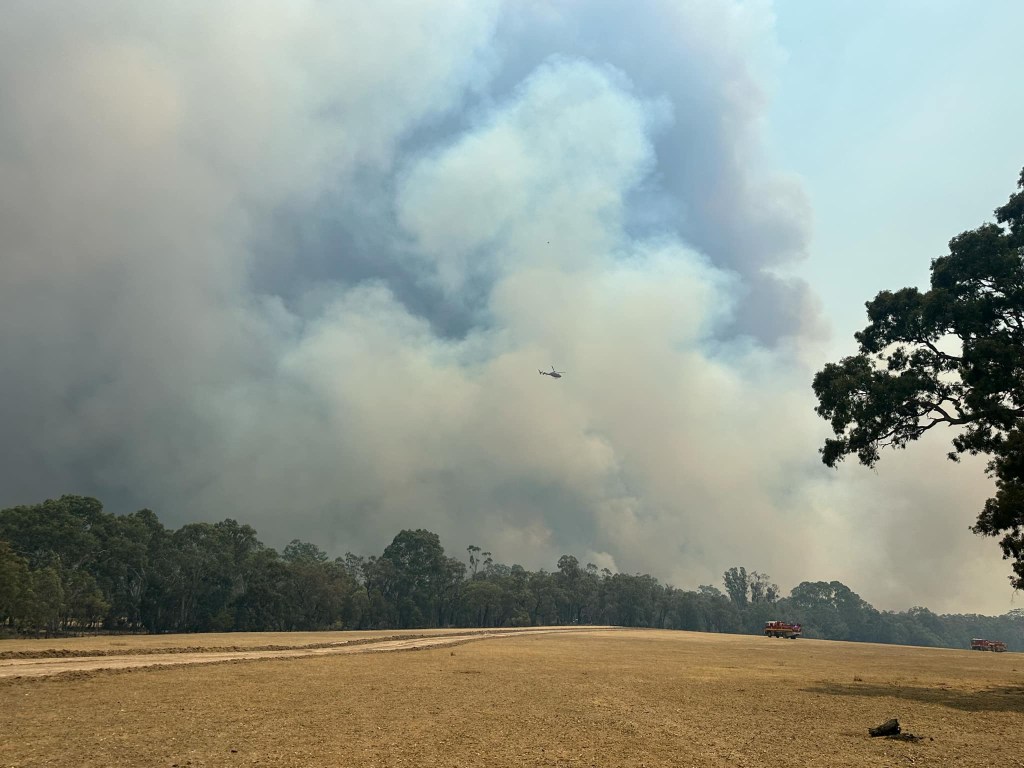
Having a disaster plan for you and your family offers numerous benefits that can significantly improve your safety, preparedness, and ability to respond effectively during emergencies.
Community Hub Workshop
A hands-on workshop for those looking to establish and run a successful community hub, providing practical skills and real-world experience. Click here for more information.
Empowering communities post disaster
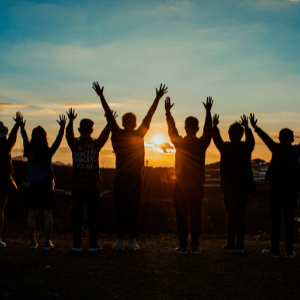
Disasters affect everybody differently. This workshop empowers and enables participants to understand the complexities of recovery and provides them with best practice case studies to assist in planning, coordinating and delivering successful and inclusively diverse recovery outcomes.
Working in the field post disaster
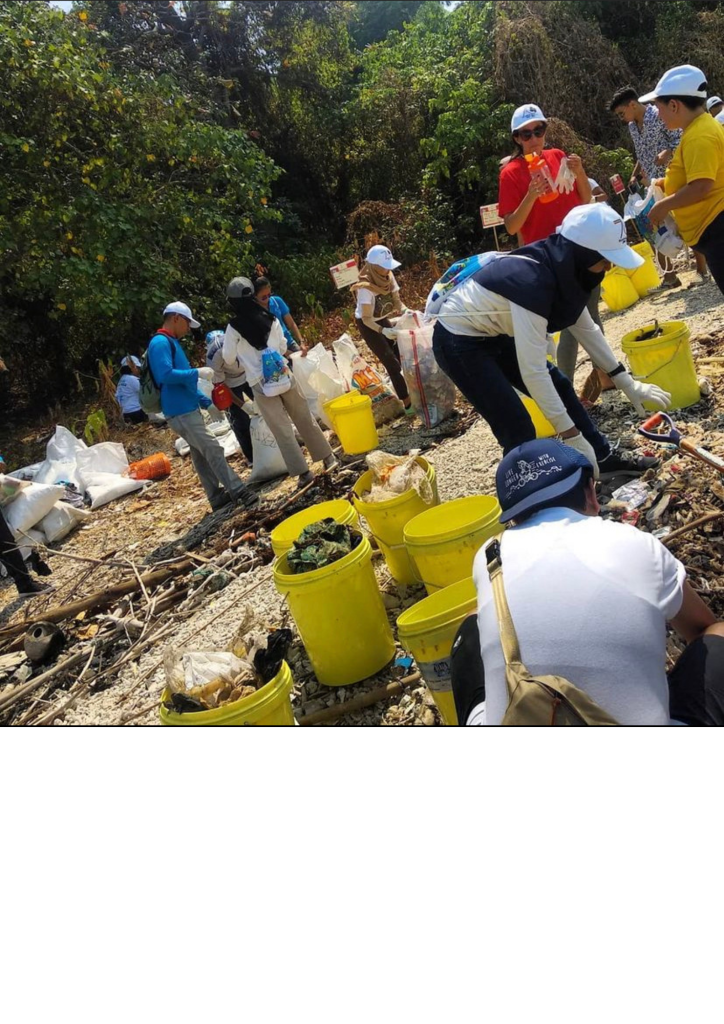
This workshop builds the capacity and capability of volunteers and community groups to safely support the community clean up after a disaster.
Community Disaster Response Plans
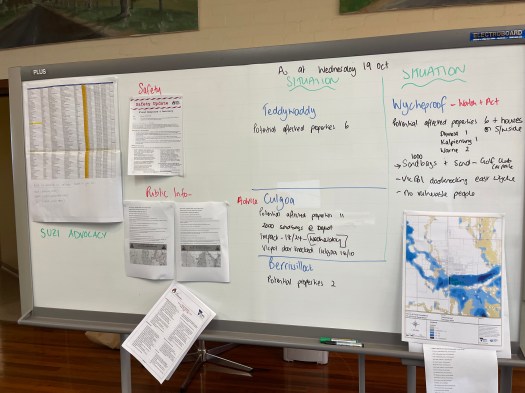
This workshop equips communities with a practical, action-oriented plan to follow during disasters. Through interactive discussions and scenario-based exercises, participants identify local risks, map available resources, and establish clear roles and responsibilities for an effective response. The workshop fosters collaboration among community members, emergency services, and local organisations to ensure a coordinated approach when disaster strikes. By the end of the session, communities will have a tailored response plan that enhances preparedness, minimises confusion, and strengthens resilience in times of crisis.
Community Led Disaster Exercises
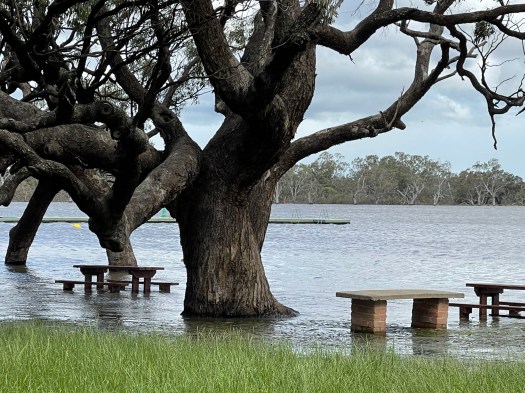
This session puts the Community Response Plan into action, allowing participants to test and refine their roles in a simulated disaster scenario. Through a hands-on, interactive approach, community members work together to enact their plan, identify gaps, and strengthen coordination with local emergency services. This exercise builds confidence, enhances problem-solving skills, and ensures that the plan is practical and effective. By the end of the session, the community will have a clearer understanding of their response capabilities and be better prepared for real-world emergencies.
Community Leadership
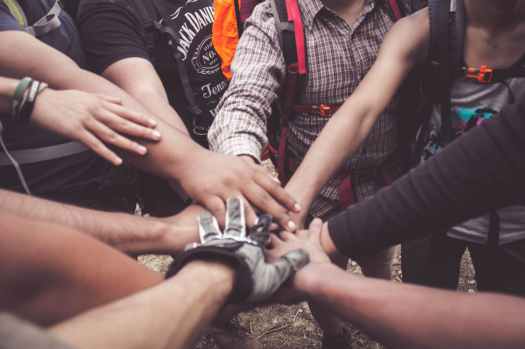
This workshop empowers participants with the skills and knowledge to lead effectively before, during, and after disasters. Through interactive discussions and real-world case studies, participants explore key leadership principles, decision-making under pressure, and strategies for fostering community resilience. The session emphasises the importance of clear communication, collaboration, and adaptability in crisis situations. By the end of the workshop, attendees will be equipped to inspire confidence, coordinate response efforts, and support their community through recovery and rebuilding.
Wellbeing & inclusivity is our priority
Our organisation uses a trauma informed approach to our work acknowledging that an individual is more likely than not to have a history of trauma. Our trauma informed approach upholds the safety, dignity and wellbeing of our staff and clients. It is supported through policies, principles and practices that centre on empathy and safety. Our aim is to do no harm.
Our program delivery prioritises cultural and gender safety, ensuring all participants feel respected and supported. We focus on creating an environment grounded in empathy and safety, where diverse perspectives are valued, and everyone is empowered to contribute meaningfully. This approach not only enhances the learning experience but also fosters a deeper connection and trust among participants, making our programs truly inclusive and impactful.
Resilient Community will:
- Provide opportunities for participants to share and develop their knowledge around disasters
- Develop networks and partnerships
- Support the development of self-reliance, preparation and disaster mitigation
- Develop and foster new relationships between participants
- Increase participants capacity to make realistic plans and develop the skills to carry them out
- Increase the confidence in participants strengths and abilities
- Develop participants skills in communication and problem solving
- Increase participants knowledge and skills
- Connect communities because connected communities are proven to be stronger and more resilient communities throughout the recovery phase and better prepared to withstand further shocks
- Understand the human, social, physical, natural, financial and political capital within a community before an emergency which will allow communities to use their strengths to lead their own recovery.
Outcomes include:
- Increased knowledge of risk
- Increased confidence and leadership skills in preparing for, responding to and recovering from disasters
- Developed networks and partnerships that will strengthen the communities capacity and capability before, during and after a disaster
- Strengthened community resilience and self reliance
"Resilience will not come from physical engineering - instead, it will come from bottom up responses built on local social networks."
Click here to read our Resilient Community brochure
 The Six C's