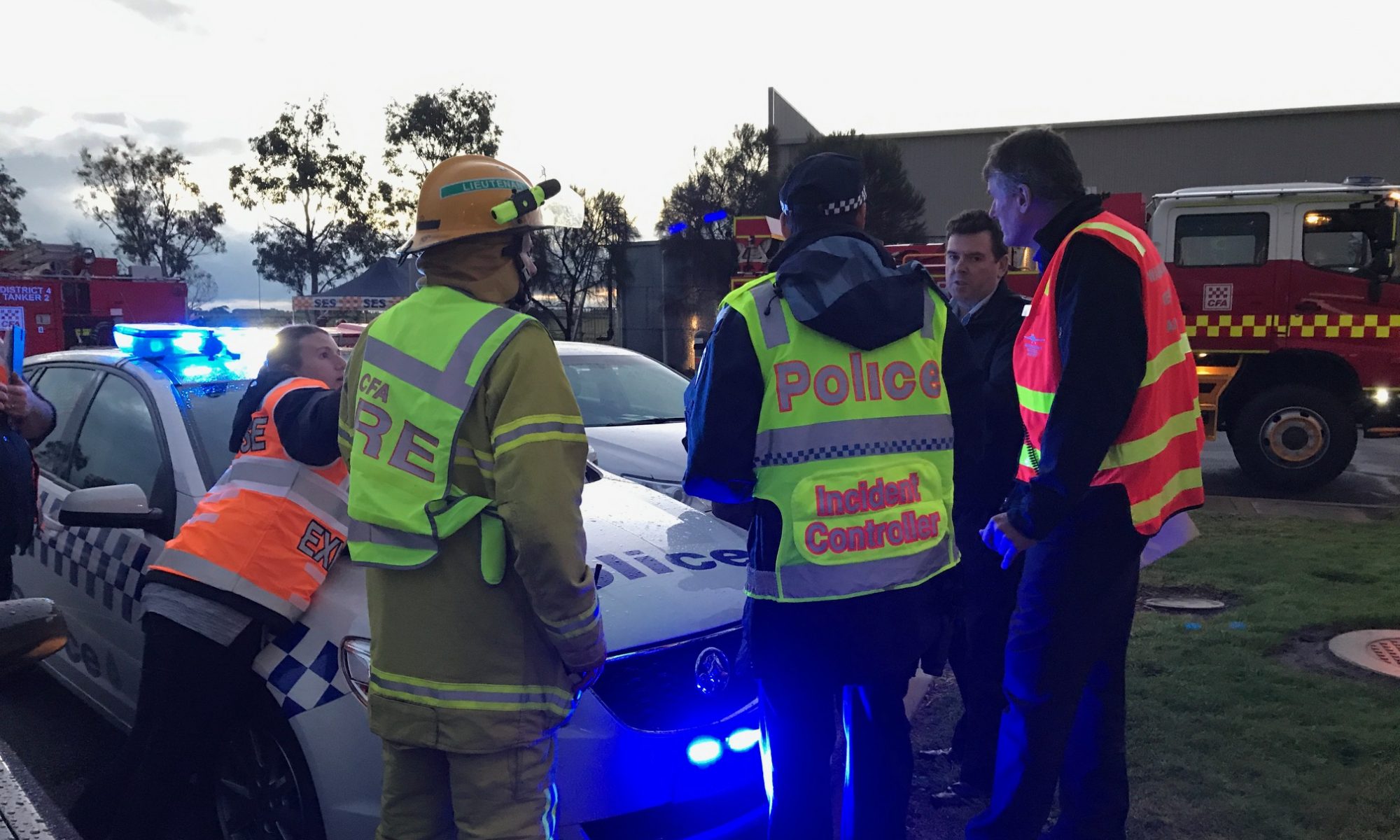
Emergencies are fast paced. Being able to keep track of information is essential – it might even be the difference between life and death.
Sue and Mat were awarded an “Excellence in Emergency Communications” award from EMPA for their outstanding communications following the South West Fires.
Whether you work for government, an agency, an authority or a non for profit if you make decisions during emergencies you should participate in this course. During this course you will be exposed to both theory and practical sessions where learnings are put into practice.
What is unique about this course is that participants are provided with opportunities to practice their newly learned skills in immersive interactive scenarios where they will:
- receive and process information in a fast paced environment
- prepare and deliver SMEACs briefings
- use a log book to record information, decisions and actions
- support good, safe decision making with current information
Who Should Attend?
Whether you work for government, an agency, an authority, a non for profit or a private company, if you make decisions during emergencies you should participate in this course.
Topics
- Legal requirements of recording information
- What do we need to keep track of?
- Information sharing protocols
- Types of information
- Credible sources
- Validating sources
- Communication & active listening techniques
- Recording information using Log books & electronic systems
- Techniques for prioritising and actioning tasks
- Dynamic Risk Assessments
Outcomes
You will have the knowledge and skills to:
- Understand the legal requirements for capturing & storing information
- Learn how to actively listen in a fast paced environment
- Demonstrate how to record information using log books and electronic systems
- Learn how to receive and deliver an effective briefing using the SMEACS briefing technique
- Learn techniques to prioritise and action tasks
- Gain an understanding of how to use and implement a dynamic risk assessment
- Participate in practical exercises during the training to demonstrate newly learnt skills
Delivery method
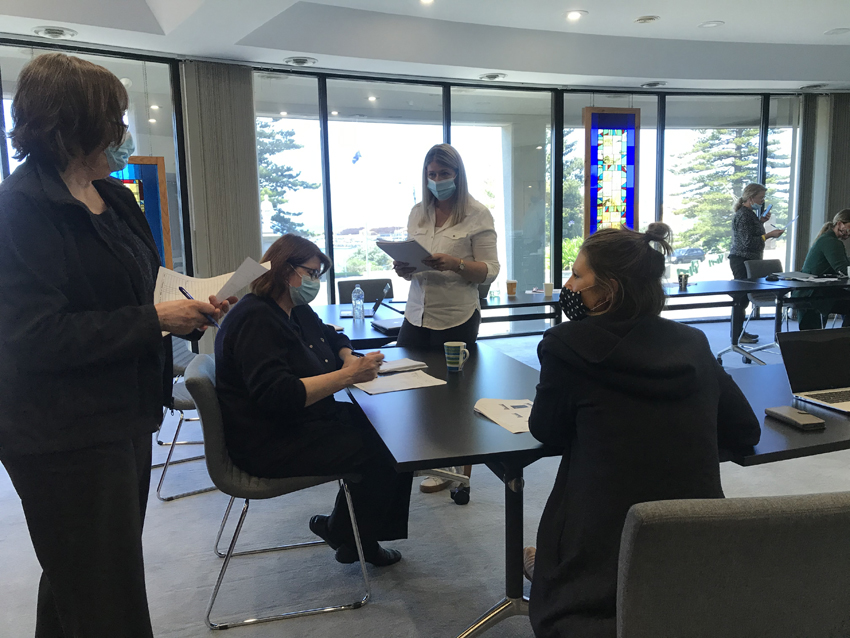
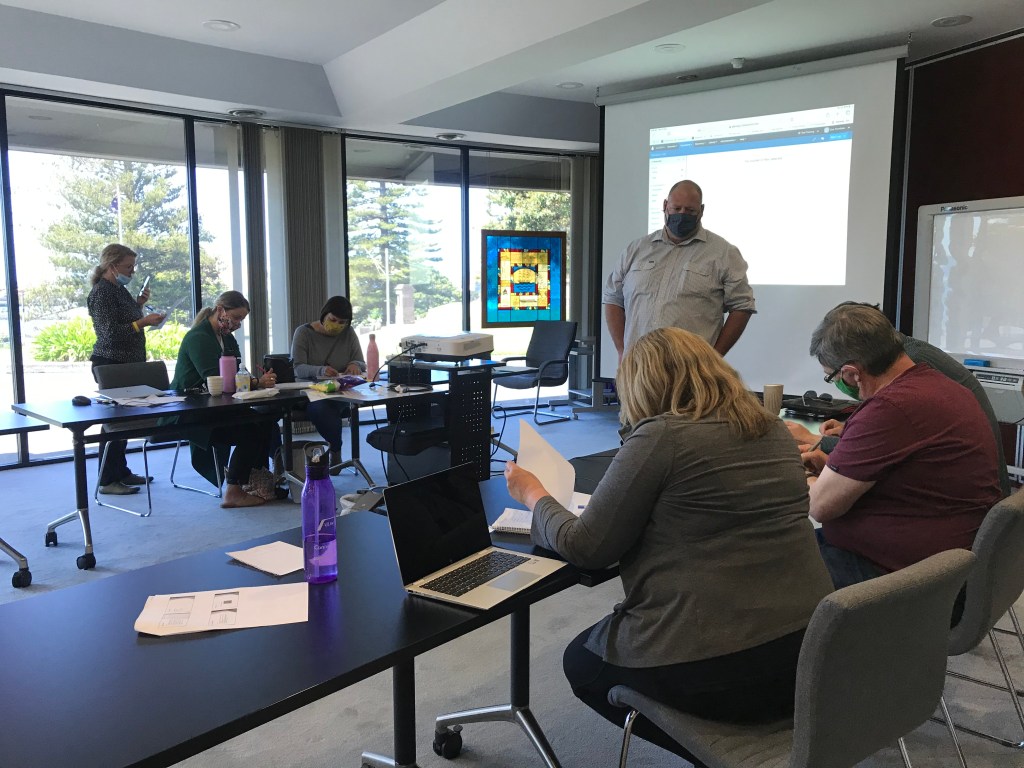
This training is delivered face to face and uses reality-based training, simulations, practical scenarios, case studies and problem-based learning where lived experiences are shared to enhance participants learning experience. During our training we share real life experiences, combined with best practice research, to ensure participants are provided with current information, strategies and ideas.
Duration
This course is 6 hours.
Course outline
Click here to view the course outline.


 The Six C's