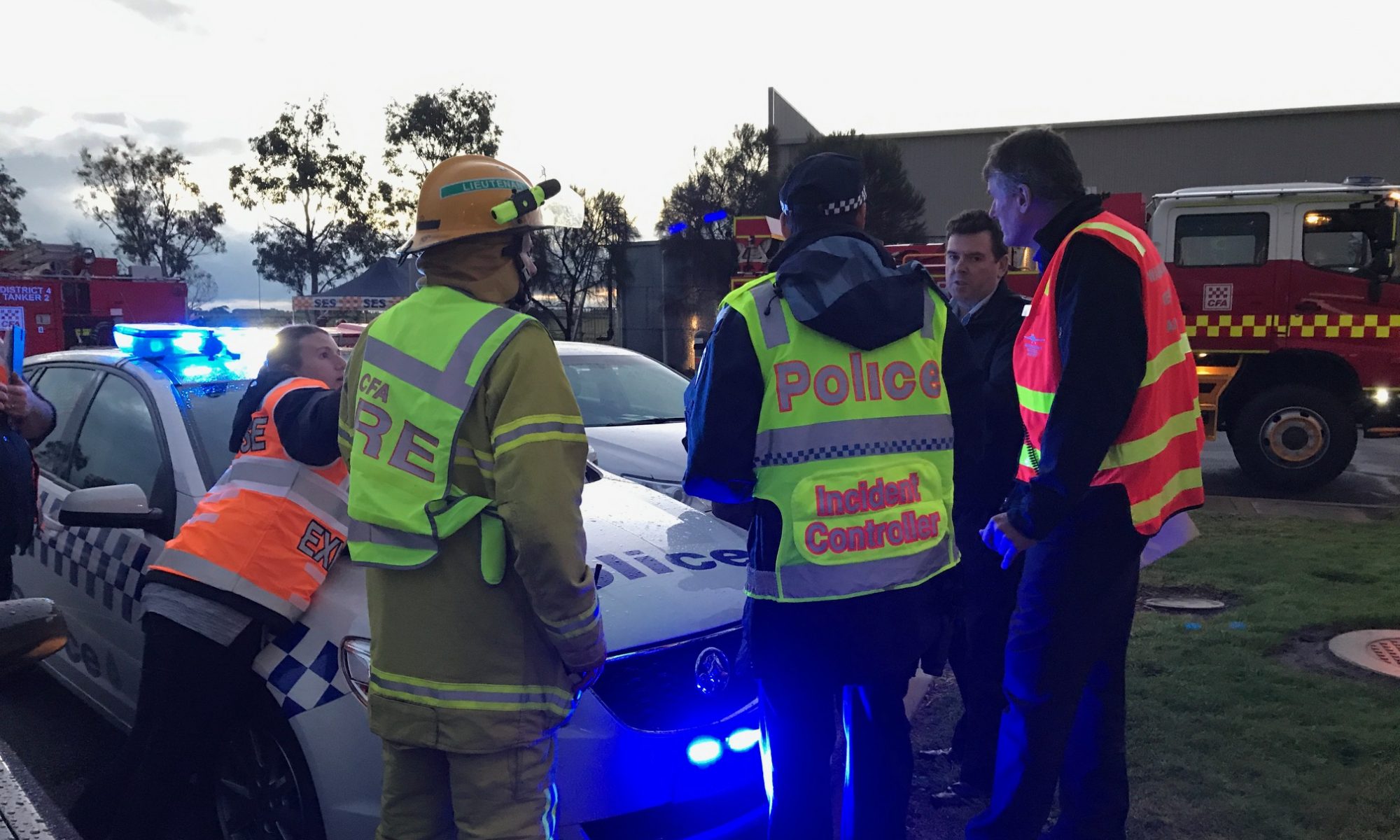

I’m concerned with the language being used to describe recovery. I keep seeing words such as “Turbo charge recovery”, “Fast track operations around recovery” we need to “See action on the ground” and “Help recovery happen swiftly”.
There seems to be a desire to do the job quickly and “sort this disaster out”. What seems to be missing is the commitment to support communities at their pace.
I know this is difficult to manage and challenges the way governments work. Governments love to get the job done! They love spreadsheets, numbers, process and photo opportunities. They translate data into talking points for politicians. Those talking points look something like this “27 residents have rebuilt post disaster”. To the broader community these numbers demonstrate the success of recovery. Houses are being rebuilt, that must be good, right?
However for the affected community it may add extra pressure to make decisions quickly.
Hang on a minute “I’ve just lost all my photos and the craft projects my children bought home from kinder, I’ve lost my pets and my livestock, my wedding ring and my fathers medals from war. I’ve just about lost everything that makes me me. And “you” are now asking me to make life changing decisions quickly.
Pressure from government setting unrealistic timelines “to register for services” and pressure from the broader community saying “Just move on”, “Of course you are going to rebuild – why wouldn’t you?” “Rebuilding will make you feel better”.
Adding extra pressure into already stressed relationships is a recipe for disaster.
Why rush this process? We should all learn from the past.
I’ve spoken to many community members who lost their homes during Ash Wednesday. They were encouraged to rebuild fast. Unfortunately over 40 years on, they still regret that decision. Yes they built a house, but it never became their home.
Steve Pascoe from Strathewen talking about rebuilding after Black Saturday says, “In hindsight, I think small communities — not bound by political timelines or media exposure — look after themselves and recover best.”
Tony Thompson from Marysville says, “Our townships have gradually been rebuilt. They are not the same as they were before, but neither are we. The rebuilding process has had its ups and downs. Some say that 10 years should be plenty of time to rebuild and renew, but the scars on the landscape remain and remind us that healing can take a while, both in nature and within ourselves.”
As AIDR states, “Recovery provides an opportunity to improve aspects beyond previous conditions by enhancing social infrastructure, natural and built environments, and economies.”
But it all takes time. We all know how hard it is to make important life changing decisions without having experienced a traumatic event so imagine doing it after. How about we give people the time they need to make these decisions.
Let’s not look at the numbers and use that as a measurement of success – let’s support the people. Because there is no point building houses that are empty.
Let’s not do recovery fast – let’s do it well.
 The Six C's